
-
Better biomarkers for predicting the incidence of having atherosclerosis and heart attack
Assoc Prof Bursill is a vascular biologist with interests and expertise in vascular inflammation, atherosclerosis and angiogenesis. She completed her PhD at The University of Adelaide in lipid metabolism then headed to Oxford University for five years to undergo a postdoctoral post in the Departments of Cardiovascular Medicine and Pathology. Her postdoctoral time triggered her interest in the mechanisms that cause atherosclerosis and in particular the role of small inflammatory proteins called chemokines.
-
Identifying biomarkers for immunotherapy using spatial biology
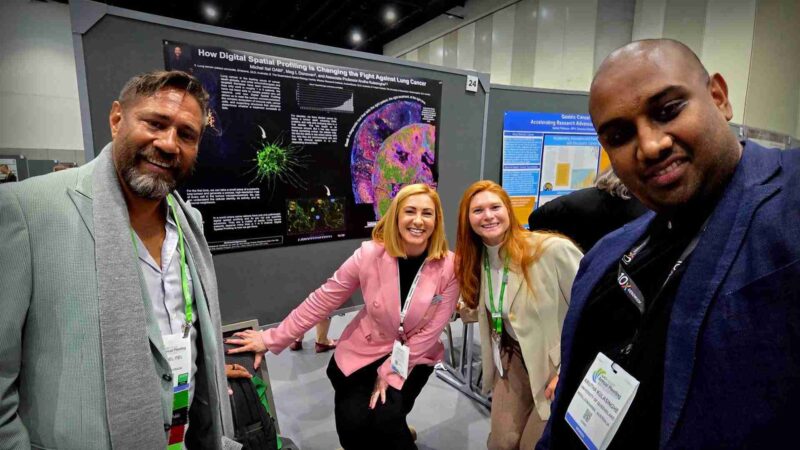
Associate Professor Arutha Kulasinghe is a Principal Research Fellow at The University of Queensland’s Frazer Institute, where he leads the Clinical-oMx Lab. He holds the inaugural Brazil Family Chair in Spatial Medicine and is the founding Scientific Director of the Queensland Spatial Biology Centre at the Wesley Research Institute. He completed his PhD at Queensland University of Technology.
-
Novel therapies & next-gen medical devices in cardiovascular & vascular disease management
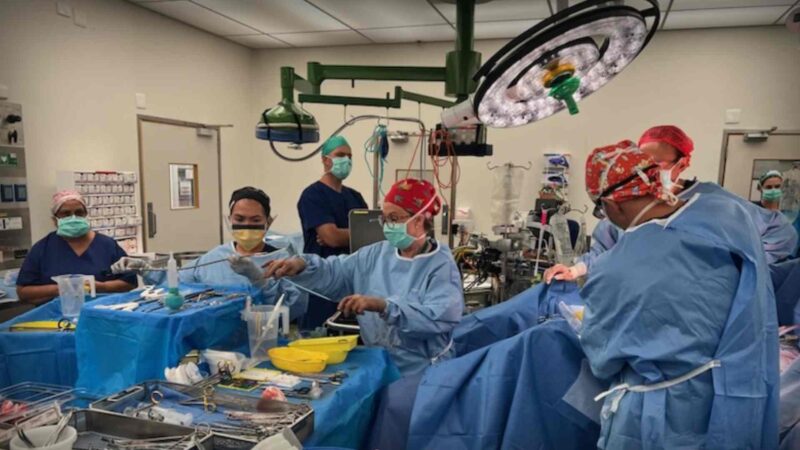
Professor Shirley Jansen AM is a distinguished vascular and endovascular surgeon whose career spans clinical leadership, academic excellence, and pioneering research. She currently holds the Lawrence-Brown Chair of Vascular Surgery at Curtin University’s School of Population Health and serves as Head of the Department of Vascular Surgery at Sir Charles Gairdner Hospital, a role she has held since 2015. In addition, she is the Director of the Heart & Vascular Research Institute at the Harry Perkins Institute for Medical Research. Her early career was marked by prestigious fellowships, including a British Heart Foundation Research Fellowship (1996), and multiple international travelling fellowships from leading surgical societies and industry sponsors between 2001 and 2002.
Post Views: 1,716
Clinical guidelines for diagnostics and early intervention in Primary Aldosteronism

Recent Segments
- Drug delivery of targeted therapies for pancreatic cancer, motor neurone disease
- Physiotherapist-led care for musculoskeletal conditions in the emergency department
- RESEARCH IMPACT: 32 years of understanding, diagnosing, treating & preventing the onset of heart disease
- Research Australia Awards celebrate researchers in life-changing science and discovery
- Connecting Students with Careers in MedTech