
-
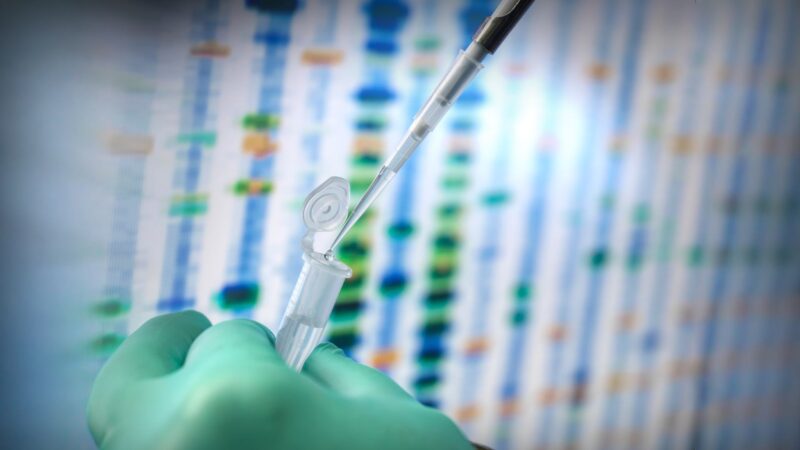
Identification & characterisation of molecular drivers of therapeutic resistance
Professor Pieter Eichhorn is an internationally experienced cancer biologist and research leader whose career has been defined by high-impact contributions at the interface of functional genomics, translational oncology, and research infrastructure strategy.
He completed his PhD at the University of Newcastle upon Tyne, contributing to the cloning of the gene associated with Cornelia de Lange Syndrome, before undertaking postdoctoral training at the Netherlands Cancer Institute in the laboratory of René Bernards. There, he performed pioneering functional genetic screens that identified key regulators of oncogenesis and therapy resistance, including critical roles for the PI3K signalling pathway in resistance to targeted breast cancer therapies.
-
Big data research in maternal, perinatal and renal health epidemiology
Dr Erandi Hewawasam is a Research Fellow at the National Perinatal Epidemiology and Statistics Unit within the Centre for Big Data Research in Health at University of New South Wales (UNSW). Her work focuses on maternal and reproductive health, chronic diseases (e.g., kidney disease, endometriosis), and early-life outcomes. She is the Program Manager for the Fertility Medicine Data Asset for Australia (FM-DATA), an MRFF-funded national infrastructure project linking fertility, hospital, Medicare, pharmaceutical, and perinatal datasets covering more than 40 million individuals. She also coordinates the Early Life Course Platform, integrating around 20 New South Wales and Australian federal administrative datasets to support population health research.
-
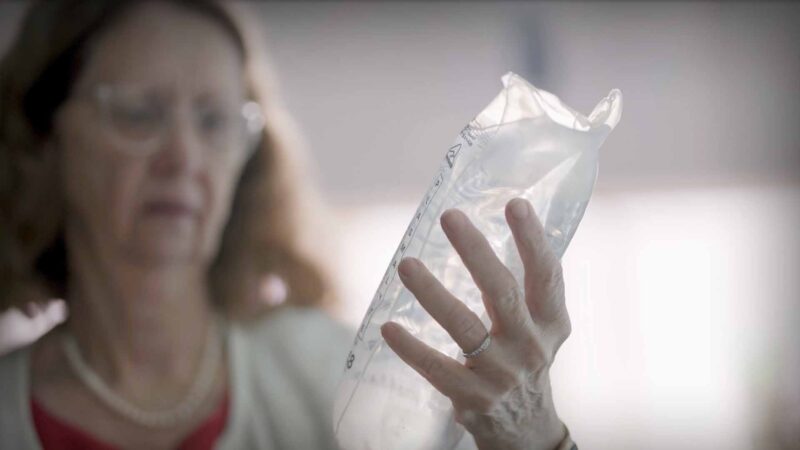
World-first clinical trial improves patient outcomes for kidney transplants (2023)
A world-first clinical trial conducted at the Royal Adelaide Hospital (RAH) and at hospitals across Australia and New Zealand has identified the best fluid treatment to reduce the risk of patients requiring dialysis after a kidney transplant.
Around one in three people who receive a kidney transplant suffer delayed graft function, which means the transplant doesn’t work immediately and they require dialysis.
The lead-author of the study, was Royal Adelaide Hospital Nephrologist and University of Adelaide researcher, Dr Michael Collins.
Post Views: 2,698
Touched by bowel cancer and chasing science outcomes

Recent Segments
- Drug delivery of targeted therapies for pancreatic cancer, motor neurone disease
- Physiotherapist-led care for musculoskeletal conditions in the emergency department
- RESEARCH IMPACT: 32 years of understanding, diagnosing, treating & preventing the onset of heart disease
- Research Australia Awards celebrate researchers in life-changing science and discovery
- Connecting Students with Careers in MedTech