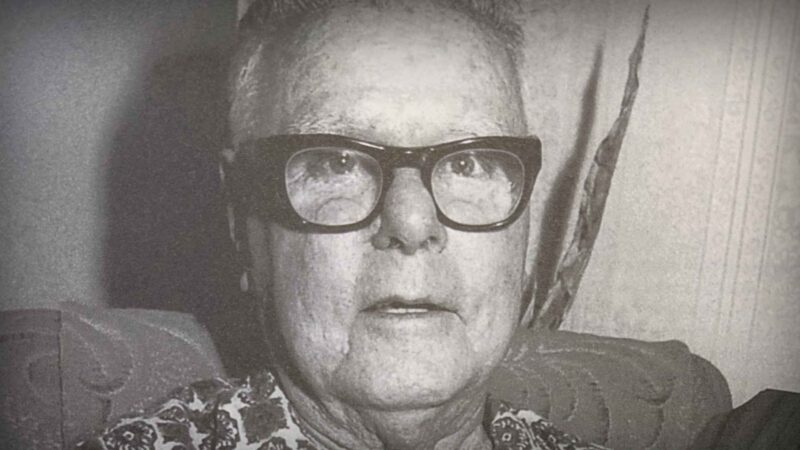
Leonie Short is a Dental Practitioner and Dental Therapist. She started working as a dental therapist in Rural NSW and then moved into being an academic and researcher. Through her career, Leonie has worked at 6 universities across New South Wales and Queensland, and remaining community focused.
Prior to starting her business, Leonie, was a consumer advocate in the fields of breast cancer, colorectal cancer, substance abuse before concentrating on oral health. Her passion led her to start her business.
Seniors Dental Care Australia focuses on oral health care training and education for workers in the aged home care and disability sectors. These are the whole range of health workers from carers, enrolled nurses, registered nurses, allied health practitioners and general practitioners recognising the need to improve oral health care. Leonie talks about the passion and attention to delivering oral health care teachings.
As a hands on practitioner, Leonie typically delivers training in person and through a shift pattern at seniors or disability support facilities, and also via online. She feels in person and on site delivery is more engaging and raises confidence levels in carers.
Over the past 8 years Leonie has encountered smelly mouths, rotted teeth, infected gums and dirty dentures. Her aims are for people to have nice healthy clean mouths, to be able to smile, to talk, to taste and to eat.
Without a clean mouth, cases of aspiration pneumonia and infected endocarditis increase leading to hospitalisation and death. Leonie talks about a case in the UK of ill-fitting dentures being untreated, compounded by COVID precautions to oral examination leading to the patient choking on her dentures and dying.
Leonie’s mission is to have improved oral health experiences and outcomes, however she recognises, the health system really needs to work hard to make it happen and for people to understand why it needs to be a priority.
You Might also like
-
Global MedTech company brings device reprocessing plant to Australia
Cardinal Health is global medical products manufacturer and leading provider of single-use device reprocessing services in the U.S. In Australia and New Zealand, as one of the largest suppliers of medical devices, announced on 23 May 2024 that it will be opening a single-use medical device reprocessing facility in Australia – its first reprocessing facility outside the United States.
On 18 March 2025 at the Health Innovation Living Lab at the John Hunter Hospital, a further announcement was made, on the chosen single-use medical device remanufacturing facility in Beresfield, Newcastle, set to commence operation late 2025, supported by the NSW Department of Primary Industries and Regional Development.
-
Cardiovascular Disease Risk Guidance and Calculator get long overdue update
Cardiovascular disease (CVD) is responsible for significant morbidity and premature mortality in Australia. Ischaemic heart disease was the leading cause of death in 2020 and cerebrovascular disease was the third most common cause of death.
As the first major update to Australian CVD risk assessment guidelines in over a decade, the 2023 Australian Guideline for assessing and managing cardiovascular disease risk and associated Aus CVD Risk Calculator reflect the latest evidence on assessing, communicating, and managing CVD risk. Developed using Australian-specific data and the latest evidence, it supersedes the 2012 Guidelines for the management of absolute cardiovascular disease risk.
-
Values in Workplace Culture
Professor Sabe Sabesan, is the Clinical Dean of the Townsville Regional Medical Training network incorporating the Townsville Hospital and Health Services and the Townsville Clinical School of the James Cook University and the director of the department of Medical oncology at the Townsville Cancer Centre, Townsville Hospital.
The Professor recently wrote, “Workforce wellness and engagement have become buzzwords in healthcare settings since there is an intimate relationship between staff wellbeing and performance of the healthcare system. Wellness initiatives such as wellness champions and wellness committees have been set up in response to emerging workforce mental health issues. These are largely reactive rather than being proactive in addressing or preventing the root cause of mental health issues.”