IDENTIFYING BIOMARKERS FOR IMMUNOTHERAPY USING SPATIAL BIOLOGY
With
Associate Professor Arutha Kulasinghe
Chair in Spatial Medicine and Principal Research Fellow,
Frazer Institute, University of Queensland, &
Founding Scientific Director,
Queensland Spatial Biology Centre,
Wesley Research Institute,
Queensland, Australia
RESEARCHER PROFILE
Filmed in Sydney, Australia | October 2026
Associate Professor Arutha Kulasinghe is a Principal Research Fellow at The University of Queensland’s Frazer Institute, where he leads the Clinical-oMx Lab. He holds the inaugural Brazil Family Chair in Spatial Medicine and is the founding Scientific Director of the Queensland Spatial Biology Centre at the Wesley Research Institute. He completed his PhD at Queensland University of Technology.
A/Prof Kulasinghe is a pioneer of spatial biology in the Asia-Pacific region and among the first to apply spatial transcriptomics, proteomics and interactomics there. He combines these technologies in an integrated multi-omics approach to understand the biology that drives disease. His research centres on immuno-oncology in lung, skin, and head and neck cancers, with a particular focus on the tumour microenvironment and on finding biomarkers that predict which patients will respond to immunotherapy. He also develops liquid biopsy approaches for lung and head and neck cancer, and has led tissue-atlas studies of infectious diseases, including COVID-19 and pandemic influenza.
He has authored more than 120 peer-reviewed publications, in journals including Nature Genetics, Nature Communications, The Lancet Microbe and the Journal of Clinical Oncology. His honours include Cure Cancer’s Researcher of the Year (2023), The Australian’s Top Innovators (2024), a Research Australia UNSW Frontiers Award (2026) and InDaily Queensland’s 40 Under 40 (2026). He has also been named on The Courier-Mail’s Queensland Power Lists for technology and medicine (2026). His work is supported by the MRFF, NHMRC, US Department of Defense, Cancer Australia, Cure Cancer, industry, and hospital and philanthropic partners.
- Source: Supplied
- Media Access Credit: Research Australia 2025-26 Health and Medical Research Awards
You Might also like
-
Professor Ramon Shaban
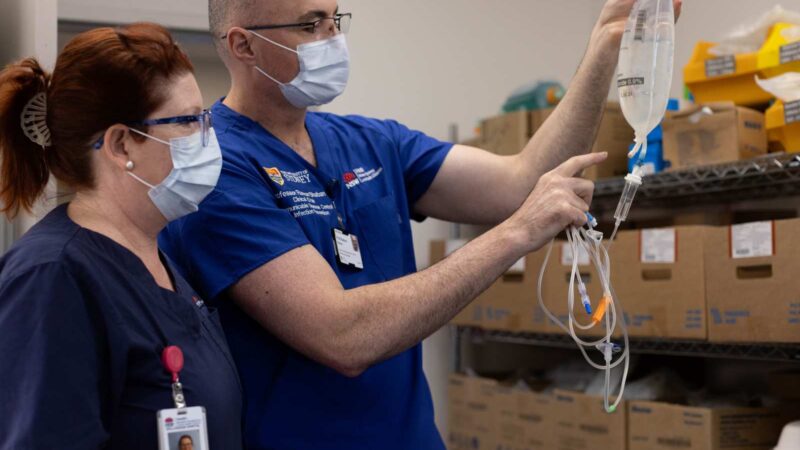
PROFESSOR RAMON SHABAN, CLINICAL CHAIR
COMMUNICABLE DISEASE CONTROL AND INFECTION PREVENTION
WESTERN HEALTH PRECINCT, SYDNEY, AUSTRALIA -
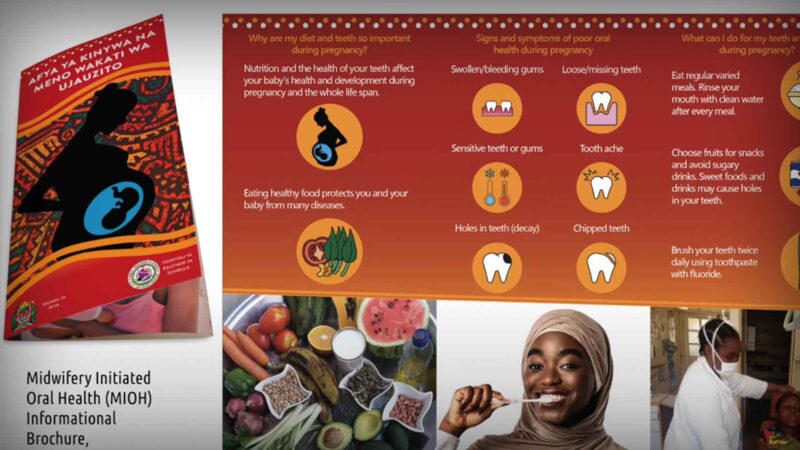
Integrated Oral Health Care
Dr Ajesh George is a Professor of Interprofessional Oral Health in the School of Nursing and Midwifery, Western Sydney University (WSU) and Honorary Professor in the School of Dentistry at The University of Sydney. He is a dentist with extensive experience in integrated oral health care and is a renowned expert globally in providing oral health training to non-dental professionals and translating oral health guidelines into their practice. Dr George is also the Director and Co-founder of the “Australian Centre for Integration of Oral Health” (ACIOH) which is a leading national research centre led by WSU in collaboration with various partners including universities, health services and professional organisations.
-
Clinical guidelines for diagnostics and early intervention in Primary Aldosteronism
Primary Aldosteronism (PA), or Conn Syndrome, is the most commonly under-diagnosed cause of high blood pressure affecting millions of people. Associate Professor Jun Yang’s goal is to facilitate the diagnosis of every case of PA and make treatment widely available to all communities including the disadvantaged.
https://orcid.org/0000-0003-3224-7350